Event of the Week (Saturday – 25 July 2026): Alignment in Dependence on the American Project and the War on Shiites: Hamad and al-Julani Intensify Security Cooperation and the Transfer of Mercenaries to Manama
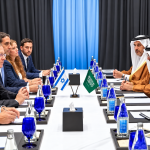
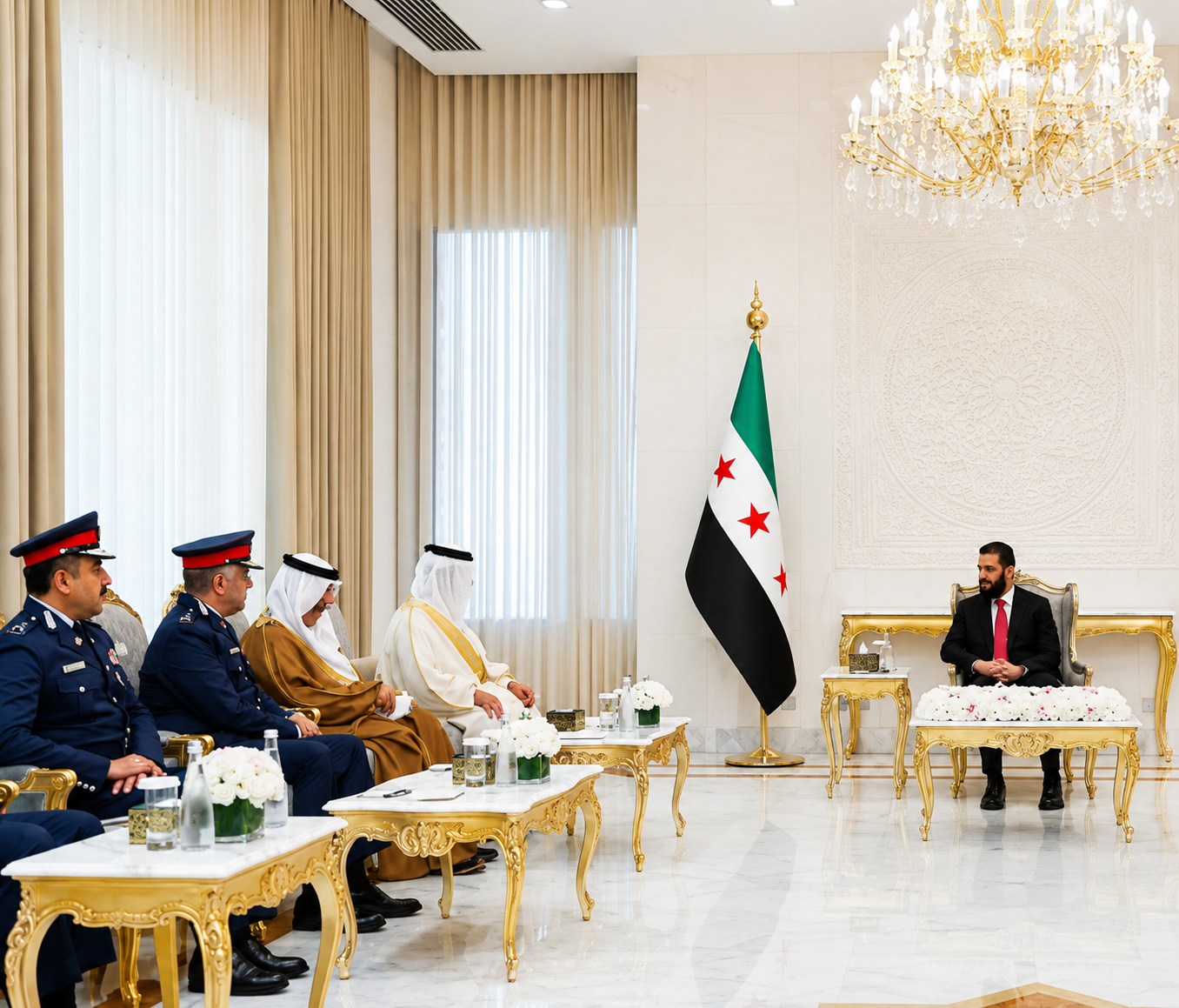
Bahrain’s Minister of Interior, Rashid Al Khalifa, arrived in the Syrian capital, Damascus, on 21 July, carrying a message from King Hamad to al-Julani, the contents of which were not disclosed. He also met with the Syrian Ministers of Interior and Emergency Affairs and signed a memorandum of understanding on civil protection.
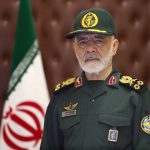
The Interior Minister’s visit to Damascus was preceded by a phone call between King Hamad and al-Julani just days earlier. According to the Syrian state news agency, the two discussed the regional situation, referring to the military confrontation with Iran and its repercussions following Tehran’s exercise of what it described as its right to respond to the attack. The agency stated that both sides exchanged views on “a number of issues of mutual interest in a manner that contributes to enhancing security and stability.” This has been interpreted as the reason Rashid personally delivered Hamad’s message to al-Julani, alongside reports indicating that the Bahraini government has activated a channel of security cooperation with al-Julani in light of his experience in conducting security operations together with his Interior Minister, Anas Khattab, before the fall of Bashar al-Assad’s government. Khattab was reportedly responsible for carrying out assassinations and other covert operations and served as the key liaison in coordinating with regional powers that financed extremist organizations prior to Assad’s downfall.
Al-Julani’s Functional Role: Fighting Hezbollah and Suppressing Bahrain’s Shiites
Observers believe that the phone call between King Hamad and al-Julani, along with Rashid’s visit to Damascus, marks the beginning of a new phase of heightened security measures against citizens and opposition figures both inside and outside Bahrain. They note that King Hamad was among the first leaders to congratulate al-Julani on assuming power in Syria, and that Bahraini security officials—including the head of the intelligence service—traveled to Damascus to activate channels of security cooperation and facilitate the transfer of mercenaries to Manama.
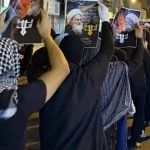
Given what they describe as the ideological alignment between King Hamad and al-Julani in terms of extremist and militant orientations, many fear that the Bahraini authorities could use al-Julani’s mercenaries to carry out security operations in Bahrain, particularly against the country’s Shiite majority, who they say are facing a campaign of persecution alongside the U.S. military campaign against the Islamic Republic. These concerns are reinforced, according to the article, by the claim that al-Julani’s militia performs a functional role in serving the American agenda, as repeatedly stated by U.S. President Donald Trump, including his intention to direct al-Julani to confront Hezbollah in Lebanon.