Political Analysis (26): Are Gulf Regimes Learning from the Outcomes of the US Midterm Elections?
The Reverberations of the Upheaval in Washington and Tel Aviv on the Al Khalifa Regime
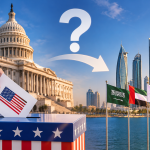
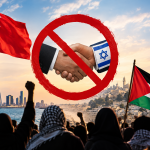
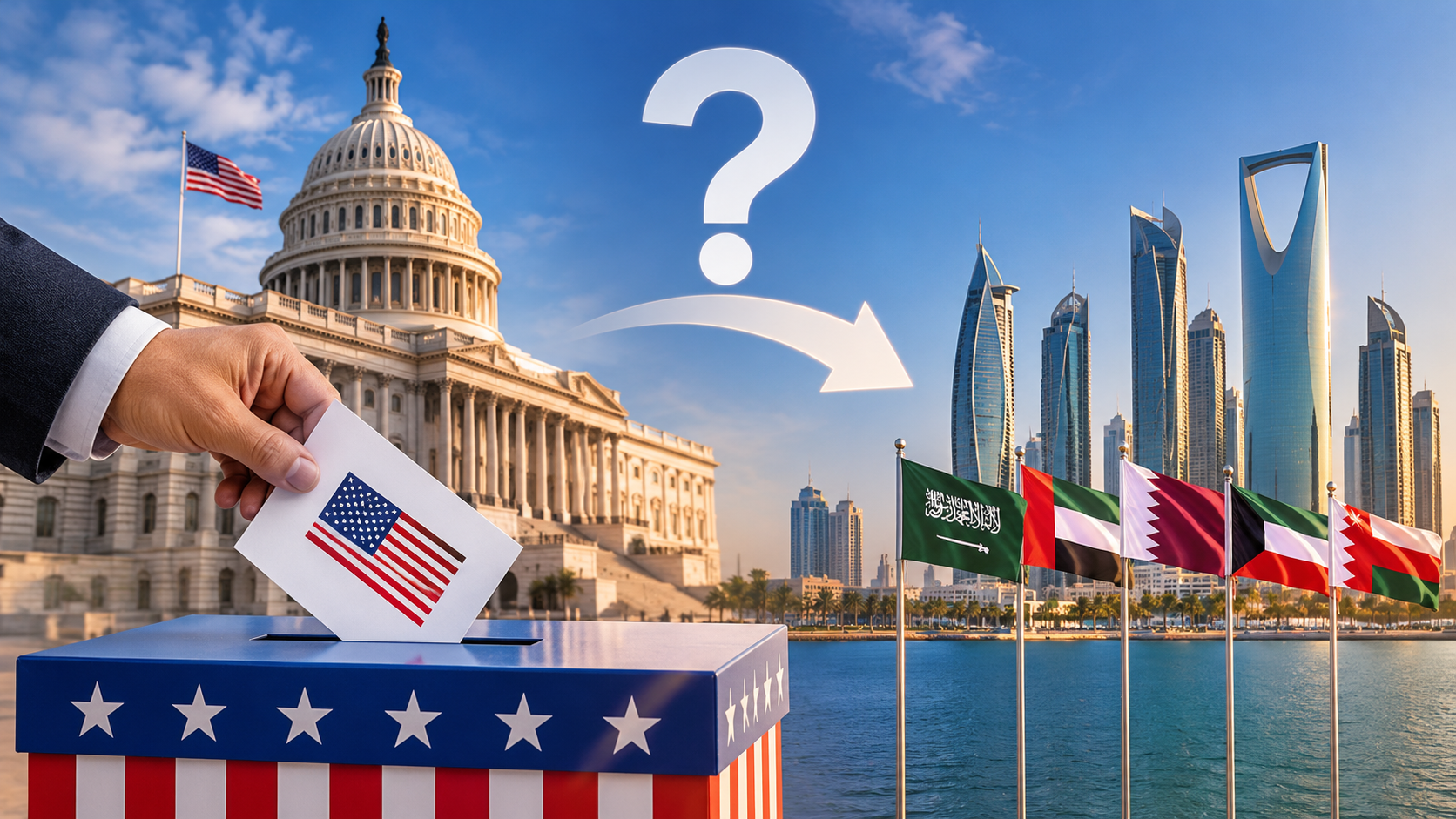
Do Arab governments, particularly those that have normalized relations with the Zionist enemy, draw lessons from the outcomes of the US midterm elections?
This question does not overlook the fact that what is taking place in the United States amounts merely to shifts within the existing system—a system that remains, for now, controlled by major corporations and the oligarchs of the globalized media industry. Yet, from another perspective, these developments can be understood as storms brewing inside a bottle, growing increasingly intense until they eventually reach a breaking point.
The lesson that must not be overlooked is that things do not remain unchanged forever. When the forces of truth, despite their differences, unite and forge alliances, they can achieve objectives that some may regard today—or even tomorrow—as grand dreams with no place in reality.
The most tragic aspect of the current situation, however, is that the Gulf regimes that have normalized relations with Israel continue to insist on remaining inside their bubble, refusing to acknowledge the changes unfolding around them.
What do the outcomes of the US midterm elections mean for the existing dictatorships in the Gulf?
The recurring outcomes of US midterm elections clearly demonstrate that relying on the transfer of power between Republicans and Democrats will not bring about a comprehensive transformation in the reality of the American system’s imperial dominance. What takes place is primarily a change in form and a shift in tactics.
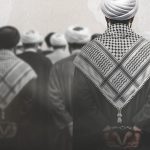
However, that is not the whole story. The appearance of the Palestinian keffiyeh on the shoulders of some midterm election winners may open up new avenues for anticipating future developments, potentially advancing the path towards “bringing America to its knees,” as the martyred Imam Khamenei (may God sanctify his soul) put it.
As for the Gulf’s dictatorial regimes and the potential impact of the election results, particular attention must be paid to the tangible retreat in Washington’s policy of offering unconditional protection and issuing “blank cheques.” This is especially significant given that lawsuits emerging from within American institutions themselves could eventually extend to Gulf regimes, driven by growing protests and opposition within the United States. Such developments could undermine their strategy of investing financial and political resources in Washington, rendering these investments ineffective as a means of whitewashing their reputations and shielding them from accountability for crimes committed against the peoples of the Gulf.
How can the outcomes of the midterm elections be leveraged to confront the expansion of the US military presence in the Gulf?
There are growing indications that hosting American military bases is becoming increasingly costly in political terms, both in Bahrain and across the Gulf. These bases are likely to become part of the domestic American political debate, just as US support for “Israel” has become an issue of considerable electoral significance.
This reality should occupy a greater place in the political activities of the opposition in the Gulf, particularly in diplomatic and media efforts directed at American decision-making institutions and the West more broadly.
Such efforts can build on the voices raised at election rallies across the United States, where opposition to Washington’s involvement in foreign wars at the expense of American citizens and their livelihoods has become increasingly prominent. They can also draw on the cumulative political repercussions of the genocide in Gaza and the rapidly growing presence of a new generation opposed to genocidal wars.
Once again, the Gulf regimes are failing to recognize these indications. If they continue to do so, they may find themselves in a deeply precarious position as the United States reassesses its security policies in the Gulf.
The only remaining lifeline may lie in responding to Iran’s position on establishing a regional security framework based on equal partnership, free of foreign military bases and dependence on colonial alliances.
Can the Gulf states that have normalized relations with Israel learn from developments in Washington and change their policies of repression and dependency, while responding to the demands of their peoples?
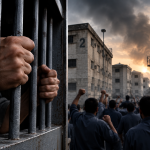
The Gulf’s normalization regimes have demonstrated that they do not voluntarily respond to the demands and aspirations of their peoples for freedom and justice. Their normalization of relations with the Zionist enemy therefore came in direct contradiction to the orientations and will of their own populations.
This is because the overriding priority of these regimes is to safeguard their interests and secure protection—from any source—for their thrones and their domination over the people and the land.
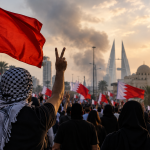
Accordingly, any change in the conduct of Gulf regimes, in response to developments in the United States, will not come through voluntary “self-reflection” or a discretionary reassessment of their policies. Rather, it will be brought about—albeit gradually—under the pressure of popular demands on the one hand and the weakening of external security guarantees on the other.
If the first step in testing the seriousness of these regimes is their liberation from American hegemony and their abandonment of the repression and persecution of their peoples, achieving this requires a renewed awakening among the honourable intellectual and political elites of the Gulf, the reorganization of their ranks, and a return to the right path by standing alongside their peoples.
It also requires correcting long-standing misconceptions rooted in the American-Israeli perspective, particularly the belief that the era of “Trump and Netanyahu” is eternal and predetermined, and that it cannot be challenged or brought to an end.
This, in turn, requires a courageous willingness to draw lessons from the experiences of Iran and the Resistance Front in confronting American-Zionist aggression.
Why does the Bahraini regime appear particularly vulnerable to instability as a result of the rapidly unfolding changes in Washington and Tel Aviv?
The Bahraini regime suffers from a fundamental problem that prevents it from adapting naturally and automatically to the rapid changes taking place around it.
Since its occupation of Bahrain, this regime has been shaped by four fundamental characteristics from which it has made no serious effort to free itself: delusions of grandeur, an insatiable lust for power, hostility towards its own people, and dependence on major colonial powers.
These characteristics help explain why the Al Khalifa appear indifferent to developments around them, continuing along their chosen course as though they were living on an isolated island.
There is no doubt that similar characteristics can also be found, to varying degrees, in other Gulf regimes that have normalized relations with Israel. However, the risks are greater in the case of the Al Khalifa, because each of these four characteristics is more deeply entrenched within the regime, reaching levels that exceed the bounds of reason and reality.
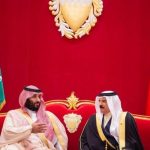
It can therefore be argued that the Al Khalifa entity is no longer merely a sheikhdom subject to foreign domination. Nor is it simply a functional regime controlled by the forces of evil in the region and around the world. Rather, it has become an instrument of colonial power, fully exposed to the strategic calculations and shifting interests of hegemonic forces.
As these powers alter their strategic calculations and priorities, the circumstances and fate of their colonial instrument change accordingly.