Weekly Event (Saturday – 11 July 2026): Following the Iranian Attacks on U.S. Bases in the Region… Can the Americans Restore Bahrain’s Emergency Response System?
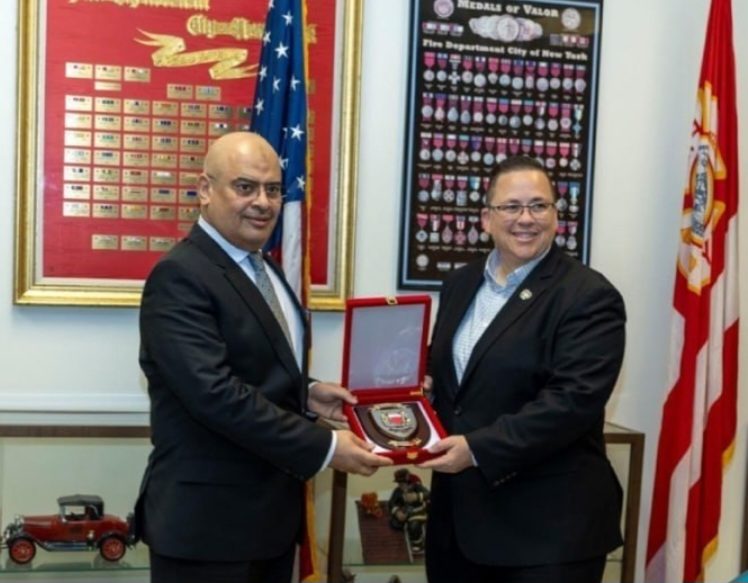
Police Chief Tariq Al Hassan visited the United States on 7 July 2026. His meetings focused on discussions with the New York City Fire Commissioner and other officials. According to official statements, the purpose of the visit was to strengthen cooperation in risk management amid the ongoing war.
Al Hassan’s visit took place in conjunction with his participation in the Fifth United Nations Chiefs of Police Summit (UNCOPS), held at the United Nations Headquarters in New York from 7–8 July 2026. The summit addressed topics including the use of modern technologies in policing and the application of digital tools for intelligence information sharing.
In his capacity as Chairman of the National Civil Emergency Management Committee, Al Hassan also met with U.S. officials responsible for civil emergency management and firefighting. His principal meeting was with the New York City Fire Commissioner and senior officials from the department. Both sides agreed to strengthen cooperation, coordination, and the exchange of expertise in the fields of security and civil protection.
The visit came within the framework of the ongoing security and military cooperation between Bahrain and the United States, which includes strategic dialogues, joint meetings, and military exercises.
This cooperation is conducted under the framework of the United States Central Command (CENTCOM) and in accordance with the provisions of the Comprehensive Security Integration and Prosperity Agreement (C-SIPA), under which the United States provides strategic security support to Bahrain.
Implications of the Targeted Iranian Attacks on U.S. Bases in Bahrain
The Police Chief’s visit to the United States underscored the Bahraini government’s urgent security requirements, particularly in light of the serious consequences resulting from the aftermath of the military campaign against the Islamic Republic and the subsequent concentrated Iranian attacks targeting U.S. bases and assets located in Bahrain.
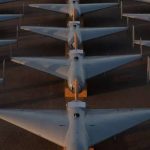
According to the latest reported figures, U.S. interests in Bahrain were subjected to more than 194 missiles and approximately 515 unmanned aerial vehicles (drones). Most of these attacks reportedly targeted the headquarters of the U.S. Fifth Fleet in Juffair, Sheikh Isa Air Base, as well as security and logistical sites and fuel storage facilities used by U.S. forces in operations against Iran.
Although comprehensive reports remain unavailable, the Iranian attacks reportedly caused significant damage to U.S. facilities and the infrastructure supporting them. This created major security challenges in the areas of risk management, strategic stockpile control, and the resilience of Bahrain’s emergency response system. Consequently, official plans to improve emergency preparedness and crisis management have reportedly been reviewed under full U.S. supervision. This challenge is expected to grow amid increasing concerns that attacks on Bahrain could expand as a result of the government’s continued confrontation with Iran in support of the U.S.–Israeli agenda.