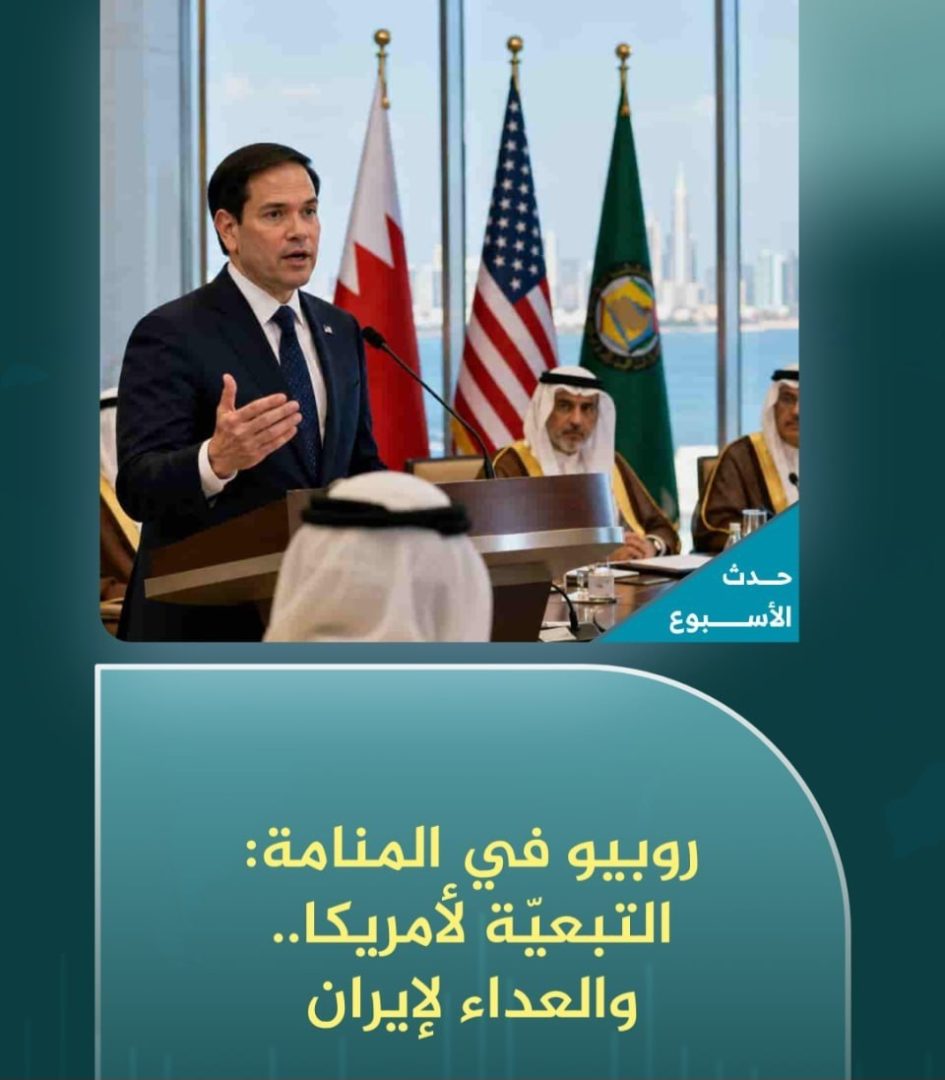
Weekly Event (Saturday – 27 June 2026): Rubio in Manama: Dependence on the United States and Hostility Toward Iran
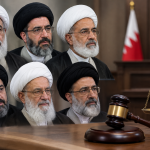
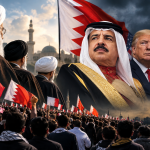
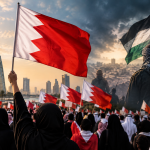
On 25 June 2026, U.S. Secretary of State Marco Rubio held a meeting with the foreign ministers of the Gulf Cooperation Council (GCC) in Manama after arriving there from a Gulf tour during which he met with the Emir of Kuwait and the President of the United Arab Emirates. This event coincided with a Reuters report that, according to the article, shed light on the Bahraini regime’s sectarian policies and its concern over the possibility of a renewed popular uprising.
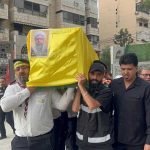
U.S. President Donald Trump has been associated with two of the most significant events affecting Bahrain’s Shiite community. During his first term in office, he visited Saudi Arabia in May 2017 and met with Gulf leaders. According to the article, Bahrain’s ruler, King Hamad, interpreted that meeting as a green light to launch a violent crackdown on the sit-in in Diraz and the area surrounding the residence of Grand Ayatollah Sheikh Isa Qassim. The operation resulted in the deaths of several protesters, injuries to many others, and intensified measures targeting Sheikh Isa Qassim.
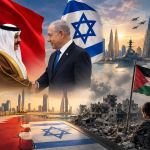
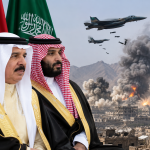
During his current presidency, Trump also visited Riyadh in May 2025 and met with Gulf leaders. The article claims that he prepared those leaders for military action against Iran, which it says began approximately one month later with an Israeli attack and was followed by a joint offensive led by the United States in February 2026. As for Bahrain’s ruling Al Khalifa family, the article alleges that they swiftly aligned themselves with the U.S. position and prepared for a broader campaign against the Shiite community, pursuing what it describes as the ambitions of Benjamin Netanyahu and Donald Trump before those ambitions ultimately collapsed in the face of Iran’s resilience and deterrence.
Why Do the Americans Cover Up the Campaign of Sectarian Cleansing Against Bahrain’s Shiites?
According to the article, the primary objective of Rubio’s visit to Bahrain was to reassure the Gulf states of the continued U.S. security commitment while emphasizing that the failure of the military campaign against Iran did not mean abandoning plans for future rounds of confrontation.
The article states that analysts believe Rubio’s visit was intended to reinforce the Gulf governments’ dependence on Washington while simultaneously encouraging Gulf rulers to view Iran and the so-called “Axis of Resistance” as expansionist threats, as reflected in the joint ministerial statement issued by both sides.
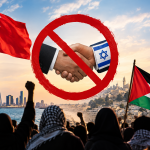
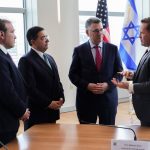
It further argues that the United States is pursuing a dual strategy in the Gulf by maintaining the dependence of Gulf states on Washington, advancing normalization with Israel, and widening divisions within the region by fueling hostility toward Iran. According to the article, Washington sees Bahrain as an appropriate arena for extending this policy by overlooking the Al Khalifa government’s campaign against the Shiite community while compensating it with a broader partnership with Israel, particularly in light of Iran’s refusal to normalize relations with Bahrain’s ruling establishment.
The article concludes by asserting that these American and Gulf policies are unlikely to endure, arguing that Iran has secured strategic gains following the conflict that will play a decisive role in shaping the future political balance of the Middle East and the wider world.