Event of the Week (Saturday – 12 June 2026): Will the UAE Hand Over the Tyrant Hamad? The Al Khalifa Family and the Crisis of an “Abandoned Victim”
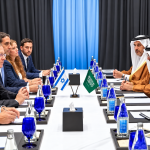
The meeting of Gulf foreign ministers, held in Bahrain on 10 June 2026, concluded with a statement that combined condemnation of Iran’s attacks on the Gulf with calls for dialogue and peace.
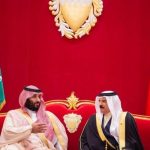
The meeting failed to provide the Al Khalifa regime with the reassurance it had hoped for after it had revealed all its cards and found itself facing a new regional security equation shaped by Iran’s military strength on the ground.
Analysts argue that the regime is suffocating under a dual crisis as a result of its involvement in hostility and aggression against the Islamic Republic, as well as its implementation of a broad campaign of repression against Bahrain’s Shiite population.
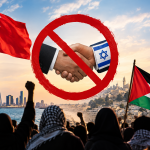
Observers believe that the regime’s deep investment in the promises offered by its alliance with Israel led it blindly toward limitless hostility against Iran and emboldened it to inflict harm through what they describe as a campaign of persecution against Shiites.
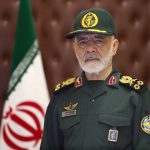
In practice, the Al Khalifa family clung to its alliance with Netanyahu on one hand while opening the door wide to the United States and its military bases on the other, encouraged by the UAE and enticed by promises of major rewards. However, the situation began to shift when Iran relentlessly targeted American bases and Israeli-linked sites in the Gulf.
This came as a shock to the rulers of Bahrain and the UAE, who watched in real time as Iran undermined the objectives of the war imposed upon it and altered the realities on the battlefield.
Al Khalifa Out of Step with a Gulf Trend Toward Engagement with Iran
Saudi Arabia realized that post-conflict Iran was not the same as it had been before and therefore chose a diplomatic path based on communication and understanding with Tehran.
Kuwait hesitated because of what the article describes as an authoritarian and discriminatory ruling establishment, but analysts expect the Al Sabah family to reconsider its position after a Bloomberg report claimed that the UAE had privately sought a separate truce with Iran once it became convinced that Tehran had secured its conditions from Washington in the ceasefire agreement.
The Emiratis have not withdrawn from their alliance with Israel, but what the article describes as a serious threat prompted them to move quickly to secure their own interests and safeguard their state.
Qatar, for its part, chose what it viewed as the safest position and reinforced it through participation in mediation efforts that helped bring about the agreement.
Oman has likewise maintained its special relationship with Iran, independently of the increasingly fragile Gulf Cooperation Council framework.
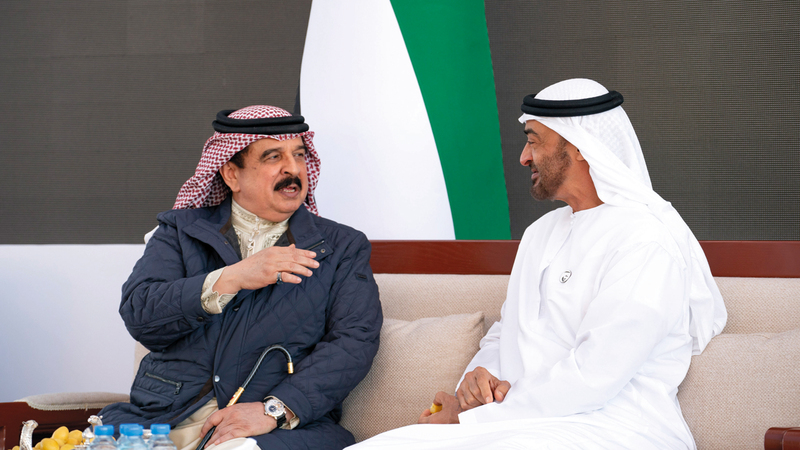
According to the article’s perspective, the Al Khalifa family now stands alone like a naïve victim abandoned by everyone else, waiting for a decision that would relieve others of its burden and distance them from its liabilities. The article concludes by claiming that the UAE would not hesitate to move away from the Al Khalifa family if doing so served its interests and helped preserve its investments and economic prosperity.