Event of the Week (Saturday, June 20, 2026): “Hamad” Threatens Ashura Commemorations Through the “Iron Network”
On June 18, 2026, units affiliated with the so-called Bahrain Defence Force carried out a joint exercise entitled “Iron Network-1.” The official news agency (BNA) stated that the exercise was conducted by a number of branches and units of the Defence Force and included operational phases, field applications, and live-fire exercises against designated targets.
According to official statements, this exercise constitutes the first outcome of the official review of the experience of the war imposed on Iran and the assessment of missile-interception operations against Iranian attacks that targeted American military bases and assets in Bahrain, particularly in light of the major challenges that emerged regarding interception failures on the one hand and overall military performance on the other.
The exercise is expected to be followed by a continuous series of military drills aimed at achieving the desired objectives of enhancing efficiency, keeping pace with new developments and advanced systems, and testing rapid combat-response capabilities. Given the title of the exercise, “Iron Network,” air-defense systems and field-engineering units participated, alongside land, naval, and air combat-support forces.
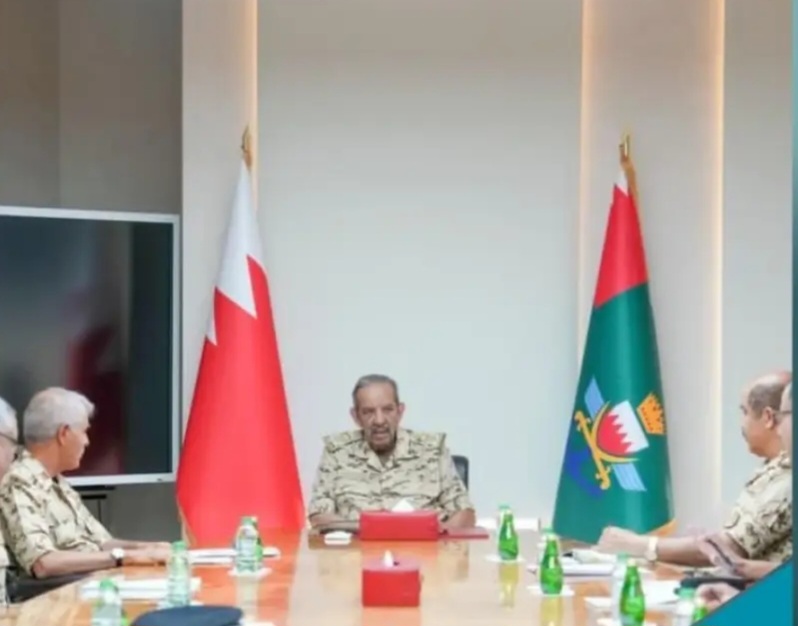
Prior to the launch of the exercise, the Commander-in-Chief of the Defence Force, Field Marshal Khalifa Al Khalifa, held a meeting attended by senior military officers, in addition to the Chief of Staff, Dhiab Al Tamimi. The Field Marshal spoke about the army’s readiness and efforts to modernize its units through advanced training programs.
The War on Iran and the War on the Shi’a: Aggression and Retaliation
The exercise comes within the context of the official approach to drawing lessons from the results of the aggression against Iran and the consequences that followed. Although the nature of the training activities included in the exercise—testing interception systems and responding immediately to surprise attacks—indicates its strategic military character aimed at countering external risks and dealing with regional threats, it cannot be separated from the parallel war being waged by the Al Khalifa ruling family inside the country; namely, the war described as the “purging of the Shi’a” and the eradication of the sources of their strength and presence within the social and religious fabric of society.
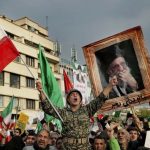
This war intersects with, and is influenced by, the broader context of the war against Iran and its implications. It is also linked to the position adopted by citizens who rejected what is described as this aggressive war and to the retaliatory policies to which they were subsequently subjected.
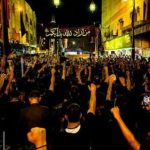
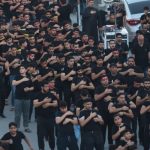
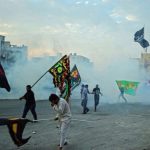
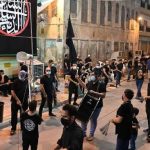
Therefore, the authorities’ decision to launch this military exercise during the Ashura season is not far removed from what the article describes as a plan of purification and an escalating assault on Ashura rituals, as well as on religious beliefs and practices in general. According to this view, such actions are likely to generate public resentment and determined resistance, which explains the authorities’ need to brandish military power and threaten the use of maximum force, whether with the aim of intimidating citizens or creating an illusory façade of deterrence against any potential external intervention.