Political Analysis (25): Macron’s Visit to Bahrain — Colonial Interests Come First
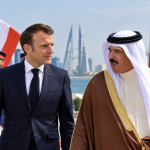
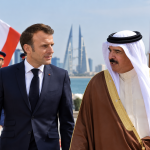
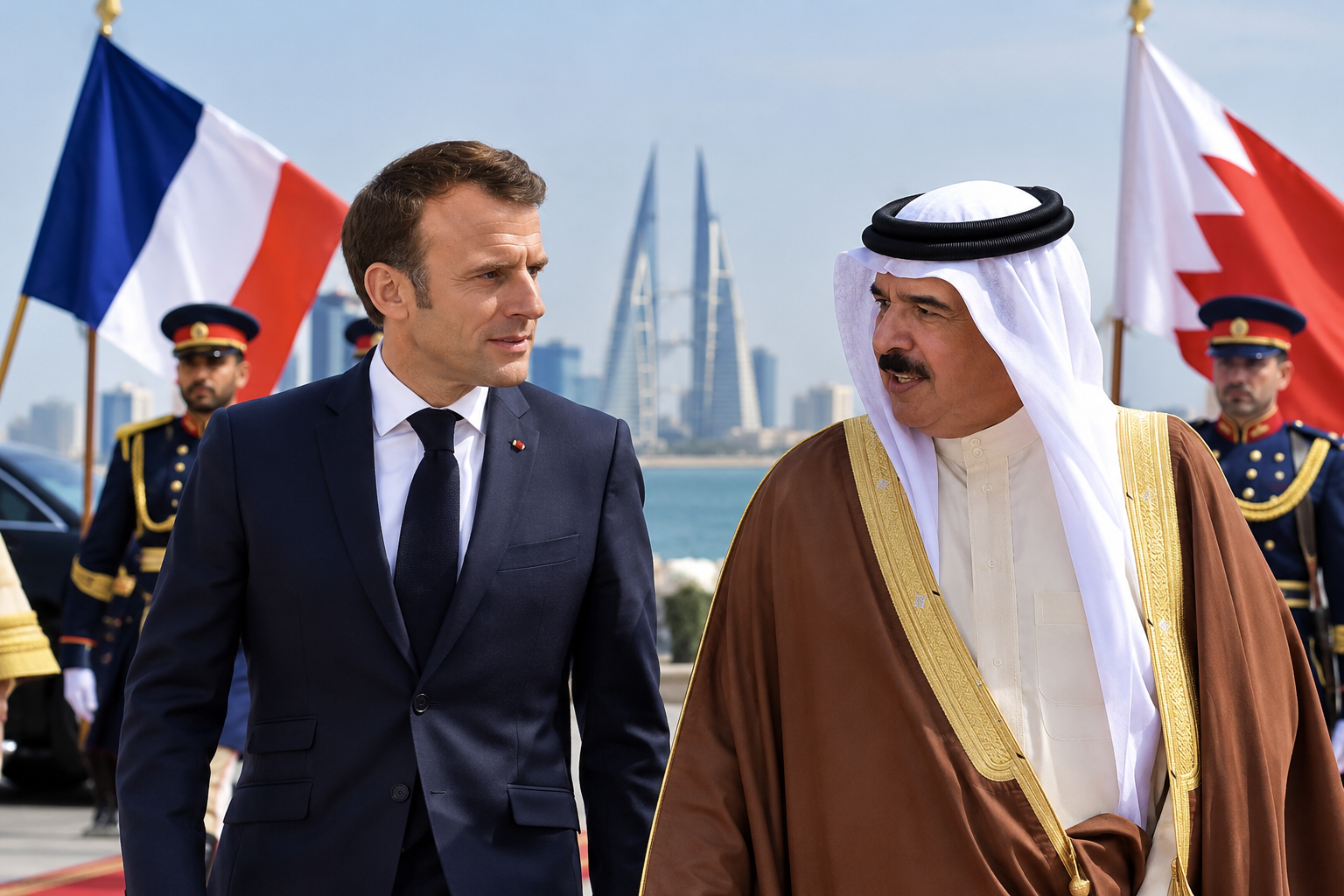
French President Emmanuel Macron’s visit to Bahrain and other Gulf states took place amid the turbulent transformations sweeping the region in the aftermath of the war of aggression against Iran. It is no longer possible to separate diplomatic developments in the Gulf from the repercussions of the aggression against Iran, particularly given how the conflict has established new strategic equations aimed at safeguarding Iran’s security and that of its allies, including through direct confrontation with sources of aggression, among them those originating from within Gulf states that host foreign military bases. Against this backdrop, the warm reception extended to Macron by the tyrant Hamad reflects, in reality, the pressing needs confronting the Al Khalifa family following the exposure of their alleged complicity in the aggression against Iran. It also reflects their sense of the serious threat facing their illegitimate regime, particularly given their alignment with the Zionist-American alliance and their willingness to display hostility toward Iran and those who express solidarity with it. This context, the article argues, helps explain the tyrant’s campaign of persecution against Shiites and their religious scholars in Bahrain.
Does Macron’s Visit to Bahrain Fit the Regime’s New Pattern of Diplomatic Relations?
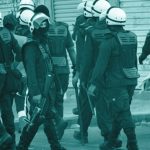
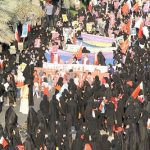
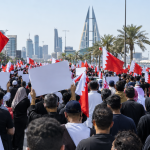
In recent years, the Al Khalifa regime has developed a distinct pattern of foreign diplomatic engagement by placing these relations within a framework shaped by its security needs, particularly those related to confronting the domestic challenge posed by popular protests.
In this context, one can examine the image the Al Khalifa family seeks to project through the official Bahrain News Agency (BNA). The agency regularly highlights the reception of foreign delegations, meetings between Al Khalifa officials and foreign ambassadors or visitors, and the organization of regional and international gatherings, such as the annual Manama Dialogue.
All these activities serve a specific purpose: to inflate the regime’s public image and create the illusion that the Al Khalifa family is at the center of international developments and among the principal destinations for visiting presidents and senior regional officials.
The regime’s self-aggrandizing conduct at the United Nations Security Council, following Bahrain’s election to a non-permanent seat, can likewise be understood as part of this manufactured international prestige. This is evident in the use of the Security Council as a platform for amplifying the voices of regimes allied with the Al Khalifa family, while Bahrain’s participation in Council sessions serves both its policy of alignment with its allies and its efforts to project an inflated image of international influence. Through speeches delivered by its representative, the regime inserts itself into sensitive international issues that concern countries around the world.
To What Extent Does the French President’s Visit Provide Political Cover for the Al Khalifa Family? Can Such Visits Conceal the Regime’s Crises?
From the perspective of Western countries—the heirs to the era of classical colonialism—commercial interests come first. Their diplomatic relations with other countries are therefore not necessarily guided by human rights standards or democratic values.
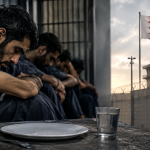
Macron’s visit to Bahrain and the Gulf coincided with extensive international human rights appeals urging the French president to raise human rights concerns with the Al Khalifa authorities. Human rights organizations also sent him letters outlining the systematic violations faced by Bahrain’s citizens, particularly in recent months. These violations, according to the organizations cited in the article, have centered on unprecedented religious persecution, allegedly reaching the point of ethnic or sectarian cleansing and the extermination of the indigenous population.
Macron, however, has not demonstrated the kind of political integrity that would distinguish him from the broader Western colonial tradition. He did not take these human rights appeals into account, the article argues, instead using the visit to advance mutual interests with the Al Khalifa authorities, particularly at a time of ongoing protests in France and other European countries.
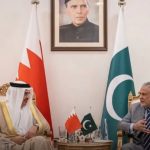
This was clearly reflected in the principal outcomes of Macron’s visit to Bahrain. Bilateral discussions focused on expanding cooperation in energy—including nuclear energy and diesel—and in economic sectors such as industry and defense. These partnerships were also accompanied by reciprocal political and public-relations gestures, including an agreement to align against Yemen’s Ansar Allah movement and the awarding to Macron of the First Class Order of Isa bin Salman Al Khalifa.
Despite International Human Rights Appeals Urging Macron to Raise These Issues, Why Does France Prioritize Commercial Interests Over Human Rights Commitments?
Macron’s visit to Bahrain and the Gulf cannot be understood without considering the tense regional context. This includes developments in the Gulf and the Strait of Hormuz resulting from the repercussions of the US-Israeli aggression against Iran, as well as the situation in Yemen and the ongoing Saudi-led war.
These circumstances have also intensified regional and international competition for energy markets and for investment opportunities in Gulf infrastructure. Such infrastructure, according to the article, sustained extensive damage during the war against Iran, while the new situation in the Strait of Hormuz has created additional economic challenges.
It was therefore unsurprising, from the article’s perspective, that Macron avoided addressing human rights concerns and faced sharp criticism from local and international organizations, including Human Rights Watch and the Bahrain Institute for Rights and Democracy (BIRD). These organizations criticized what they regarded as a policy of “double standards,” in which commercial interests take precedence over moral and international commitments to supporting freedoms and defending prisoners of conscience.
At the heart of this approach, the article argues, lies a deeply entrenched structural hypocrisy among countries that inherited the legacy of classical colonialism. It further contends that these powers have played a role in creating crises and supporting client regimes that, following the end of formal colonial rule, assumed the task of safeguarding major powers’ interests in our countries.
Does France’s Presence in Bahrain Reflect a Strategic Security Need or a Partnership Built on Security Deals?
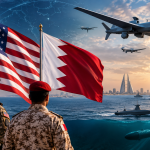
Although Bahrain is a relatively minor economic partner for France compared with other Gulf states, it holds particular importance because of its strategic geographical position, its proximity to the Strait of Hormuz and vital energy routes, and the presence of Western military bases on its territory.
It is possible to argue that security and military cooperation between the Al Khalifa family and France is developing within the framework of a new phase in bilateral relations. This phase has taken shape through several visits to Paris by the ruler Hamad and other Bahraini officials, including a summit between Hamad and Macron in February 2026. These visits reportedly resulted in agreements and arms deals, as well as closer security coordination.
The agreement signed in February 2026 is particularly significant in this regard, as it established a broader framework for this trajectory through a joint defense cooperation agreement signed on behalf of the Al Khalifa family by Nasser, Hamad’s son.
One of the agreement’s principal elements was France’s commitment to developing the Bahraini regime’s defense capabilities, going beyond conventional arms sales. It also sought to strengthen cooperation in maritime security and security technology exchanges, ultimately paving the way for expanded security partnerships that encompass the energy sector.