Report: Innocent Citizens Paying the Price for the Al Khalifa Regime’s “Incapacity” in the Face of Iranian Strikes
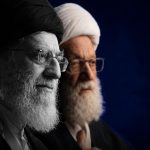
The Islamic Republic did not hesitate to carry out what it considers its legitimate response to the American–Zionist aggression that began on February 28, through the assassination of the martyred Supreme Leader, Sayyed Khamenei, along with a number of its leaders. It targeted U.S. military bases in the region from which the attacks were launched, including the Juffair base, which was among the most heavily struck.
What the Juffair base in Bahrain and other facilities sheltering American officers and soldiers are experiencing is, according to this narrative, a legitimate response by a sovereign state exercising its right to self-defense against an enemy that uses ruling regimes as shields in this confrontation. Iran is not targeting the people of Bahrain, nor the Al Khalifa regime itself; rather, its strikes are directed solely at these foreign military bases. This has been affirmed in multiple statements by Iranian officials, most notably President Masoud Pezeshkian.
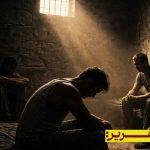
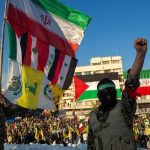
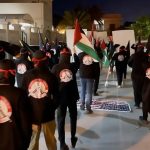
However, the Al Khalifa regime—unable to withstand the Iranian strikes targeting foreign presence in Bahrain wherever it exists—has ignored popular demands to expel these bases and has insisted on supporting and protecting them. In doing so, it has turned against the Bahraini people, whose position has been clearly expressed in solidarity with the Islamic Republic and support for the resistance. The regime has responded by suppressing them, arresting hundreds of citizens, including women, publicly defaming them, and accusing them of collaborating with the enemy.
The regime’s Ministry of Interior, which has failed for years to arrest and hold accountable those responsible for the killing of many martyrs, has now managed—within a very short time—to detain dozens of innocent individuals. It has publicly accused them of ready-made charges: terrorism, collaboration with Iran’s Islamic Revolutionary Guard Corps, gathering and transmitting information through alleged operatives in Iran, and recruiting individuals to carry out terrorist plans against Bahrain in ways that would undermine state sovereignty, security institutions, and economic entities, thereby endangering national security—according to statements published by the Bahrain News Agency (BNA).
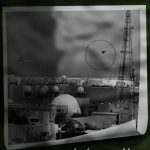
The Ministry of Interior—whose minister, Rashid bin Abdullah Al Khalifa, had previously threatened to fabricate treason charges against citizens if they filmed Iranian strikes on U.S. military bases—did not stop at arresting those who expressed joy over these strikes targeting what they see as an occupying force. It also publicly defamed them even before trial, in clear violation of the law. It claimed that they had received training in camps of Iran’s Revolutionary Guard, recruited others to participate in terrorist plots, and collected images and coordinates of vital locations and transmitted them to the IRGC, allegedly facilitating the targeting of these sites in what it described as Iranian aggression—while completely disregarding Iran’s own capabilities and intelligence, which had reportedly prepared plans to strike these bases years in advance, as confirmed by repeated warnings from Iranian officials in the event that attacks were launched against their country from these locations.
Further undermining the regime’s claims regarding the reasons for these arrests are the condemnations issued by human rights organizations over the campaign of repression, intimidation, and suppression of freedom of expression.
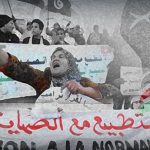
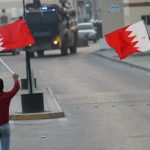
In an intervention by human rights advocates during the 61st session of the United Nations Human Rights Council, it was stated that since the onset of the American–Zionist aggression against Iran on February 28, 2026, the Al Khalifa regime has carried out a violent crackdown on citizens expressing their views on the conflict, including minors, women, and elderly individuals suffering from chronic illnesses. Demonstrations have been dispersed, and dozens have been arrested daily for participating in protests in solidarity with Iran and calling for an end to the U.S. military presence in Bahrain.
The rights advocates expressed deep concern over the widespread arrests of citizens merely for expressing pro-Iran views online, celebrating, or even documenting Iranian strikes on U.S. military sites. Many have been swiftly referred to trial on charges such as “high treason,” “supporting Iran against Bahrain,” and “illegal photographing of strategic sites,” raising fears of expedited and unfair trials.